
Summer Tutoring Programs Launch in Fort Worth to Help DFW Students Prevent Learning Loss
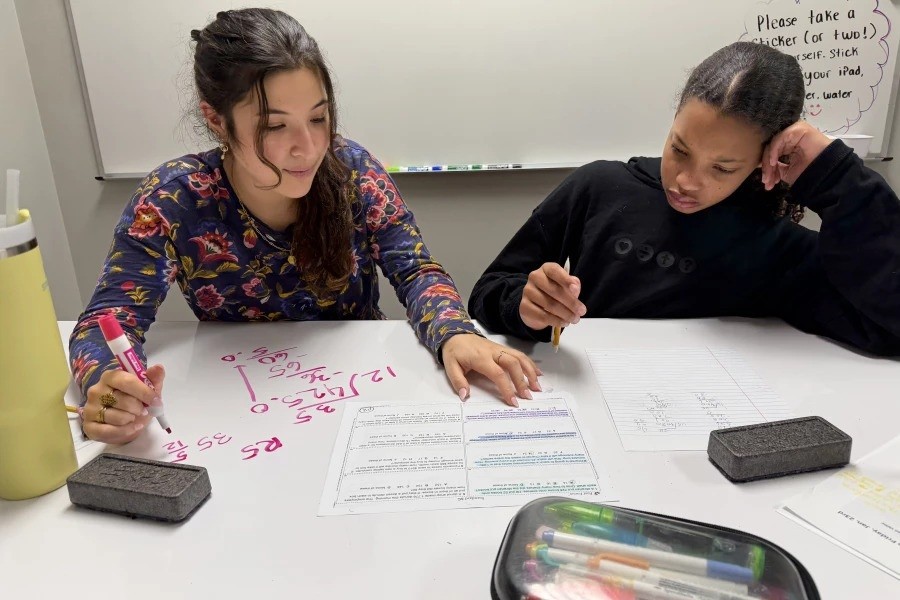
Students who participate in structured summer learning activities maintain their academic skills and return to school ready to succeed. At Math Around the Corner, our summer tutoring programs and educational camps provide targeted support that prevents this loss while building confidence for the upcoming school year.
Research shows that summer reading programs can reduce reading skill loss by up to 20% during school breaks and are linked to an 8% indirect improvement in math performance.
The key to effective summer learning is choosing activities that balance academic enrichment with enjoyment. When children engage in hands-on experiences, structured tutoring sessions, and skill-building projects during their break, they maintain momentum without feeling overwhelmed. Parents in Fort Worth and the DFW area have access to diverse options, from one-on-one tutoring to immersive educational camps that address individual learning needs.

Key Takeaways
- Students lose up to 25-34% of their school-year progress in math and 17-28% in reading during a typical summer break.
- Just 2-3 hours of weekly learning activities prevent skill regression.
- Reading daily for 20-30 minutes maintains literacy skills across grade levels.
- Professional summer tutoring programs provide personalized instruction and accountability.
- Early planning in late spring secures spots in quality educational programs.
What Causes Summer Learning Loss?
Summer learning loss happens when students stop practicing academic skills during extended school breaks. The brain treats learned information like any other skill: without regular use, that knowledge fades. Only 31% of teachers agree that students entering their grade level have retained what they learned from the previous year, highlighting how widespread this challenge has become.
Three factors contribute most to summer learning loss. First, disrupted routines eliminate the daily structure that reinforces learning habits. Second, reduced exposure to academic content means children aren't engaging with reading, math, or problem-solving activities. Third, unequal access to enriching experiences creates gaps between students who have summer learning opportunities and those who don't.
The impact varies by subject and grade level. Math skills typically decline more sharply than reading abilities because mathematical concepts require consistent practice. Students in grades three through five experience particularly noticeable setbacks, as these years build foundational skills needed for middle school success.
How Much Learning Do Kids Lose Over Summer?
Students can lose up to 25-34% of their school-year progress in math and 17-28% in reading during a typical summer break. These losses accumulate over time. By fifth grade, children affected by consistent summer learning loss can lag 2.5 to 3 years behind their peers academically.
The cumulative effect creates long-term challenges. Teachers report spending 3-4 weeks at the start of each school year reteaching previous material, which delays the introduction of new concepts. This cycle repeats annually, widening achievement gaps and affecting overall educational outcomes.
However, research also shows that students who engage in academic activities for just 2-3 hours per week during summer maintain their skills. Even modest engagement makes a substantial difference in preventing regression and preparing children for grade-level expectations.
Types of Summer Learning Activities That Work
Reading and Literacy Programs
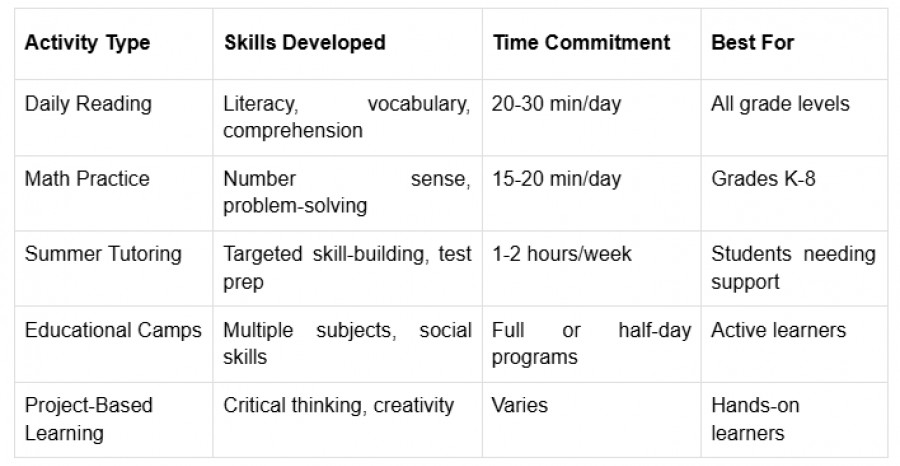
Daily reading prevents up to two months of literacy loss. Students benefit most from self-selected books at their reading level, combined with occasional challenges above their current ability. Libraries offer summer reading programs with incentives, while parents can create home reading routines with 20-30 minutes of daily practice.
Book discussions deepen comprehension. Ask children to summarize what they read, identify favorite characters, or predict what happens next. Writing book reviews or keeping reading journals adds another layer of engagement that strengthens both reading and writing skills.
Math Practice and Games
Math skills require consistent reinforcement. Real-world applications help children see relevance: cooking involves fractions and measurements, shopping teaches money math and percentages, and games like chess develop strategic thinking and problem-solving abilities.
Online math resources and workbooks targeted to grade level provide structured practice. Focus on areas where children struggled during the school year, but also include a review of mastered concepts to maintain proficiency. Short daily sessions of 15-20 minutes work better than occasional long study periods.
Summer Tutoring Programs
Professional summer tutor programs near you offer personalized instruction that addresses specific learning needs. One-on-one tutoring provides individualized attention impossible in classroom settings, allowing tutors to identify knowledge gaps and adjust teaching methods to match each child's learning style.
Math Around the Corner's summer programs combine targeted academic support with engaging activities. Students work with experienced tutors who create customized plans based on upcoming grade requirements. This boutique approach allows for deep focus on areas needing improvement while maintaining skills across all subjects.
Educational Camps and Enrichment
Educational camps blend learning with hands-on exploration. STEM camps build science and math skills through experiments and projects. Language immersion camps develop foreign language proficiency and cultural awareness. Arts-focused camps encourage creative expression while developing critical thinking.
These structured environments provide routine and social interaction alongside academic content. Children stay mentally engaged without feeling like they're "doing school" during vacation. The combination of learning and fun creates positive associations with education.
Hands-On Learning Projects
Project-based learning develops multiple skills simultaneously. Gardening teaches life sciences, measurement, and responsibility. Building projects introduce engineering concepts and spatial reasoning. Cooking incorporates math, reading comprehension from recipes, and chemistry basics.
Family trips become learning opportunities when parents engage children in planning, budgeting, and researching destinations. Museums, historical sites, and nature centers offer guided programs designed for different age groups that make education interactive and memorable.
Benefits of Structured Summer Programs
Structured summer learning provides accountability that self-directed study often lacks. When children attend scheduled sessions with clear objectives, they maintain academic focus and develop time management skills. Regular attendance builds routines that ease the transition back to school in the fall.
Experienced instructors identify learning gaps that parents might miss. Professional tutors assess current skill levels, pinpoint areas needing reinforcement, and design instruction that builds on existing knowledge. This targeted approach maximizes learning efficiency during the limited summer weeks.
Peer interaction in group settings motivates students through healthy competition and collaboration. Children realize they're not alone in academic challenges and learn from classmates' questions and insights. Social learning creates a supportive environment where mistakes become teaching opportunities.
Progress tracking shows measurable growth. Quality summer programs include regular assessments that document skill development, giving parents and students concrete evidence of improvement. This visible progress boosts confidence and demonstrates that summer learning efforts produce results.
How to Choose the Right Summer Activities
Start by assessing your child's specific needs. Review report cards, teacher feedback, and standardized test results to identify subjects requiring extra support. Consider asking teachers directly about skills to practice over the summer to prepare for the next grade level.
Match activities to your child's learning style and interests. Visual learners benefit from video-based programs and illustrated workbooks. Kinesthetic learners thrive in hands-on camps and project-based activities. Auditory learners excel with discussion-based book clubs and language programs.
Balance structured learning with free exploration. Children need unstructured time for creativity and relaxation, but completely unscheduled summers lead to skill regression. Aim for consistent academic engagement several times weekly rather than intensive daily sessions that cause burnout.
Look for programs with proven track records. Research providers' success rates, instructor qualifications, and curriculum quality. Math Around the Corner maintains a 98% success rate with students who attend weekly sessions, demonstrating the effectiveness of consistent, personalized instruction.
Consider location and schedule flexibility. Programs offering both in-person and virtual options accommodate family travel plans and varying summer schedules. Extended hours, like Math Around the Corner's availability Monday through Friday from 9 AM to 10 PM, provide convenience for busy families.
When Should Parents Start Planning?
Begin summer learning planning in late spring, ideally 4-6 weeks before school ends. This timing allows parents to secure spots in popular programs and give children time to mentally prepare for summer routines. Early planning also enables coordination with family vacations and other commitments.
Consult with current teachers before the school year ends. Educators provide valuable insights about skills needing reinforcement and can recommend specific resources. Some teachers offer summer reading lists or skill practice suggestions tailored to their students' needs.
Set realistic goals with your child's input. Discuss what subjects feel challenging and where they'd like to improve. Children who participate in planning their summer learning activities show greater engagement and follow-through. Frame summer learning as preparation for success rather than punishment or remedial work.
Create a flexible schedule that allows for adjustments. Life happens during summer, so build in a wiggle room for family events, vacations, and spontaneous activities. The goal is consistent engagement over the summer, not rigid adherence to an inflexible plan.
Prepare Your Child for Academic Success in Fort Worth
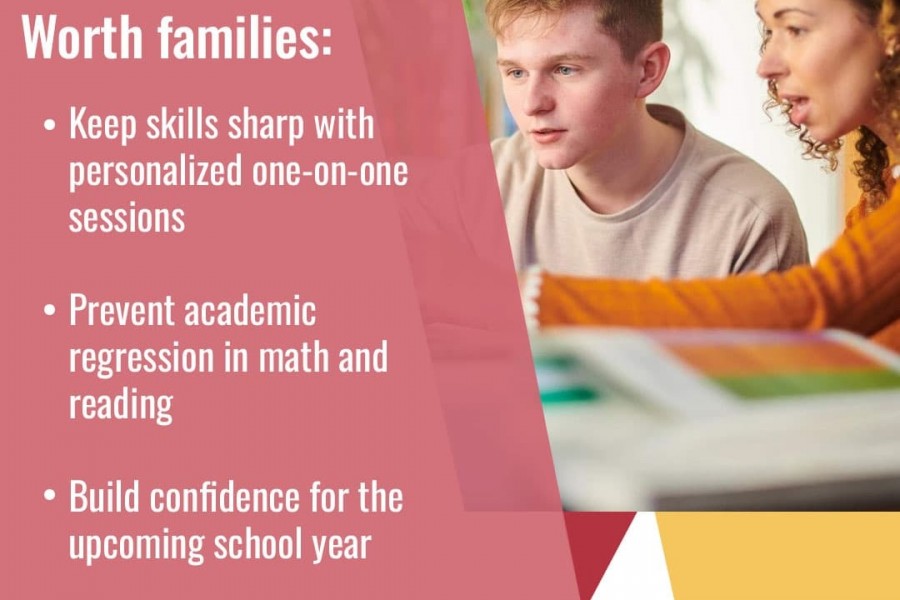
Math Around the Corner offers summer tutoring programs designed to keep your child's skills sharp and build confidence for the upcoming school year. Our experienced tutors create personalized learning plans that target your child's specific needs while making summer learning enjoyable. With options for in-person tutoring in Fort Worth or virtual sessions throughout the DFW metroplex, we fit into your family's summer schedule.
Since 2006, we've helped over 400 students maintain academic momentum and achieve their educational goals. Our boutique approach means your child receives individualized attention from carefully matched tutors who understand their learning style and academic challenges. Ninety-eight percent of our students who attend weekly sessions pass their classes with A or B grades.
Individual results may vary, and performance is dependent on student effort, attendance, and starting skill level.
Call (817) 720-6284 to discuss your child's summer learning plan. We are also available via email at scheduling@matharoundthecorner.com . Our team is available Monday through Friday from 9 AM to 10 PM, Saturdays from 9 AM to 5 PM, and Sundays from 12 PM to 8 PM. We serve families throughout Fort Worth, Dallas, and nearby areas in the DFW metroplex. Give your child the academic advantage they need to start the next grade level with confidence.